Image editing from a prompt
Upload a photo and describe the edit in plain words. The AI changes exactly what you asked for: the light, textures, faces and geometry of the frame stay put. No masks, no layers, no selections.
Edit a photo from a descriptionRecolor the sofa deep blue, keep the fabric and the folds
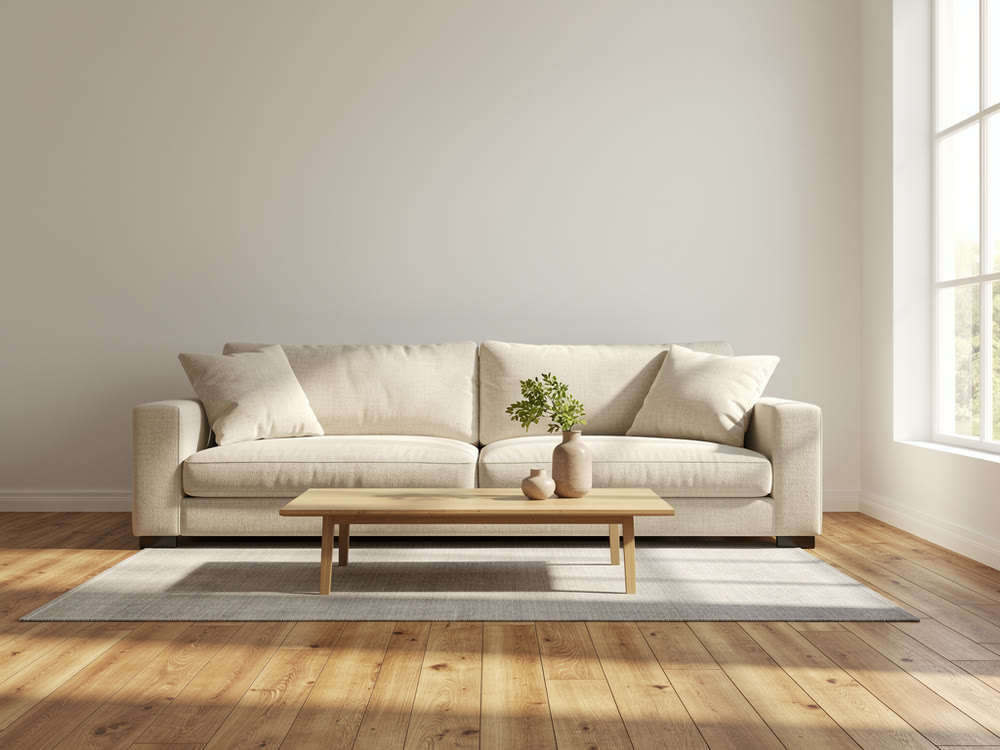
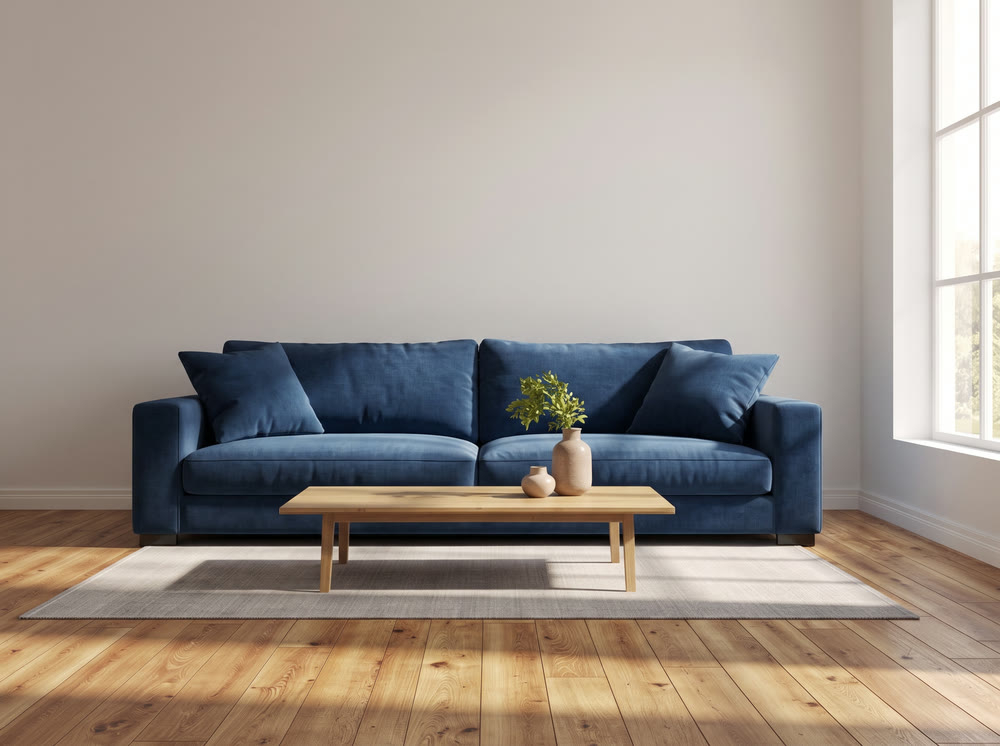
One phrase — and the frame is different
On the left is what went into the AI, on the right is what came back. Under each pair is the phrase the edit was asked with. The source frames are generated too: we don't want to show off the editor on other people's photographs.
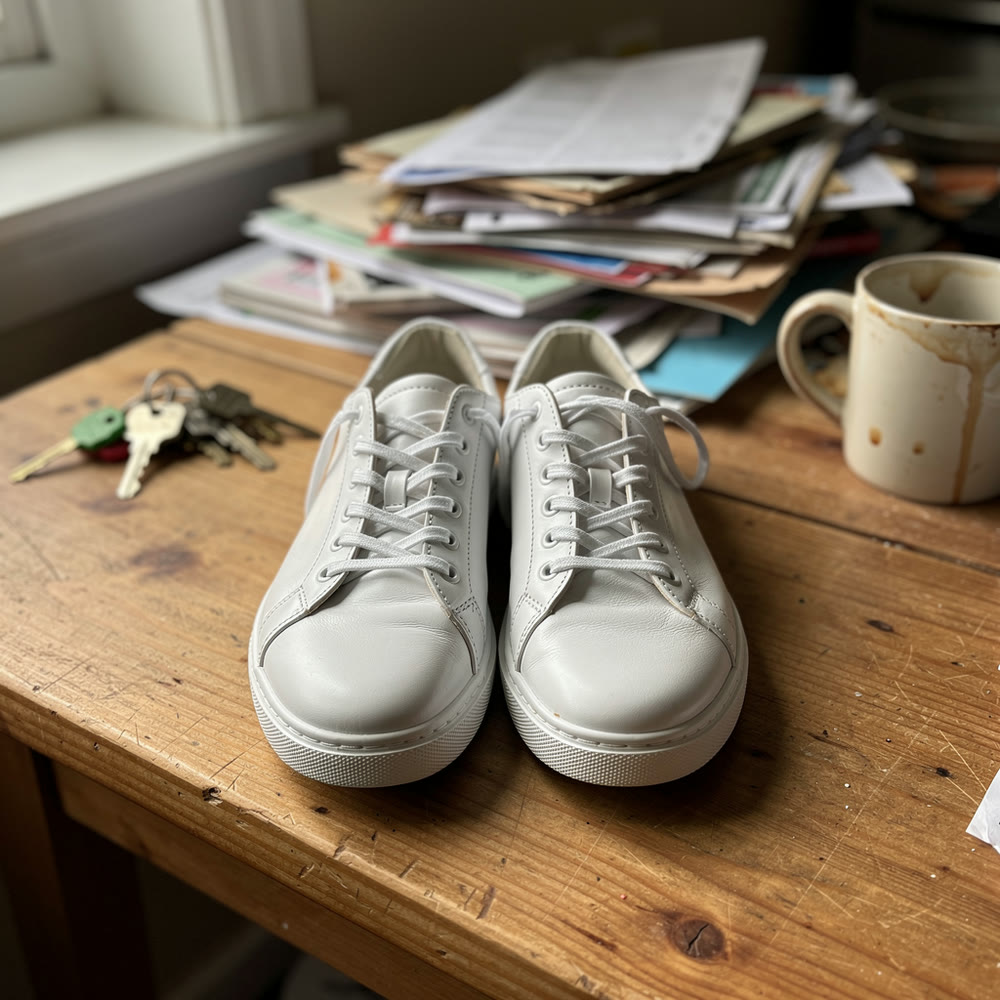
Before
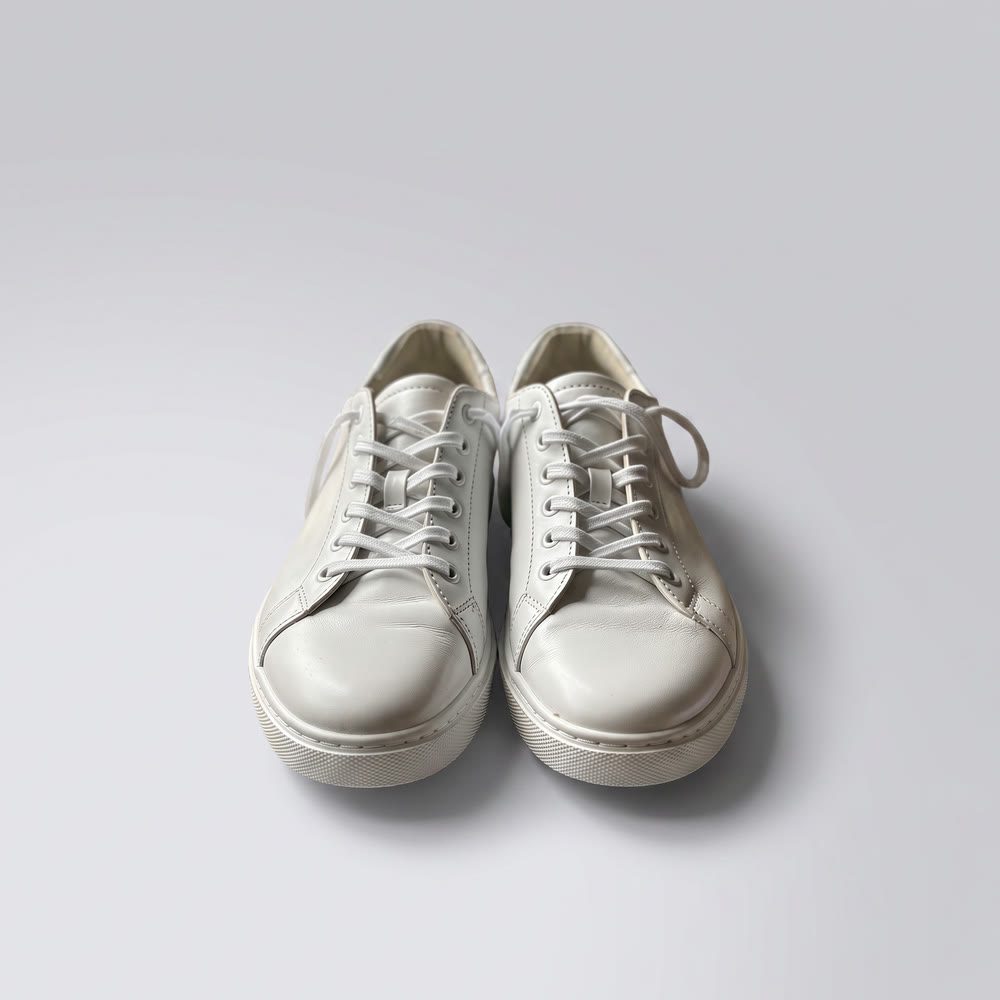
After
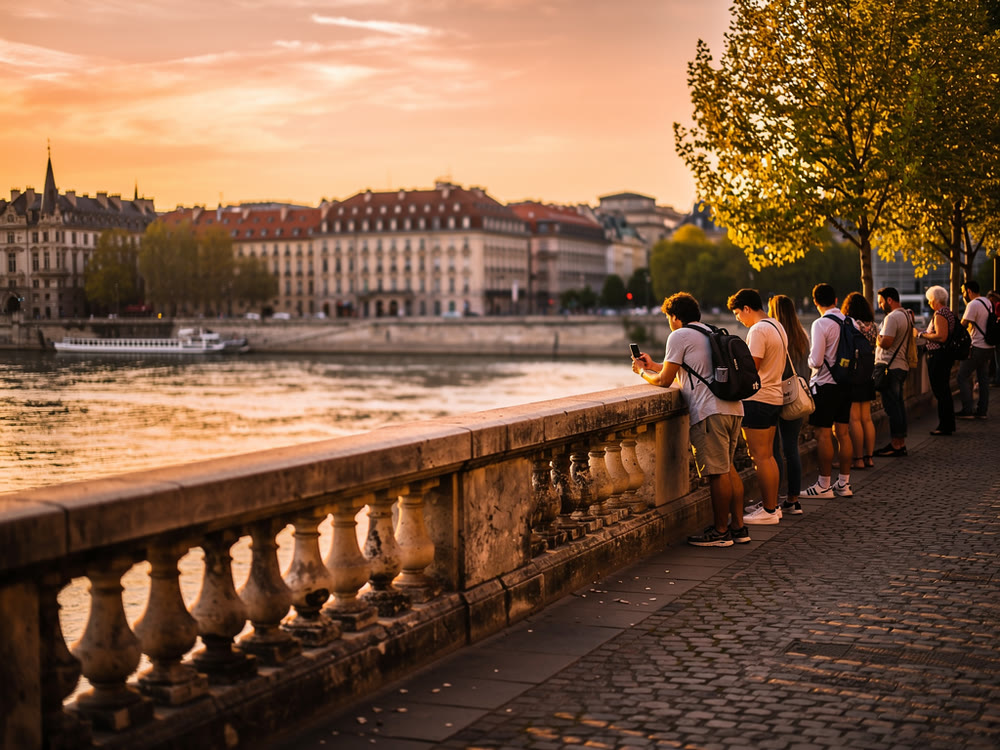
Before
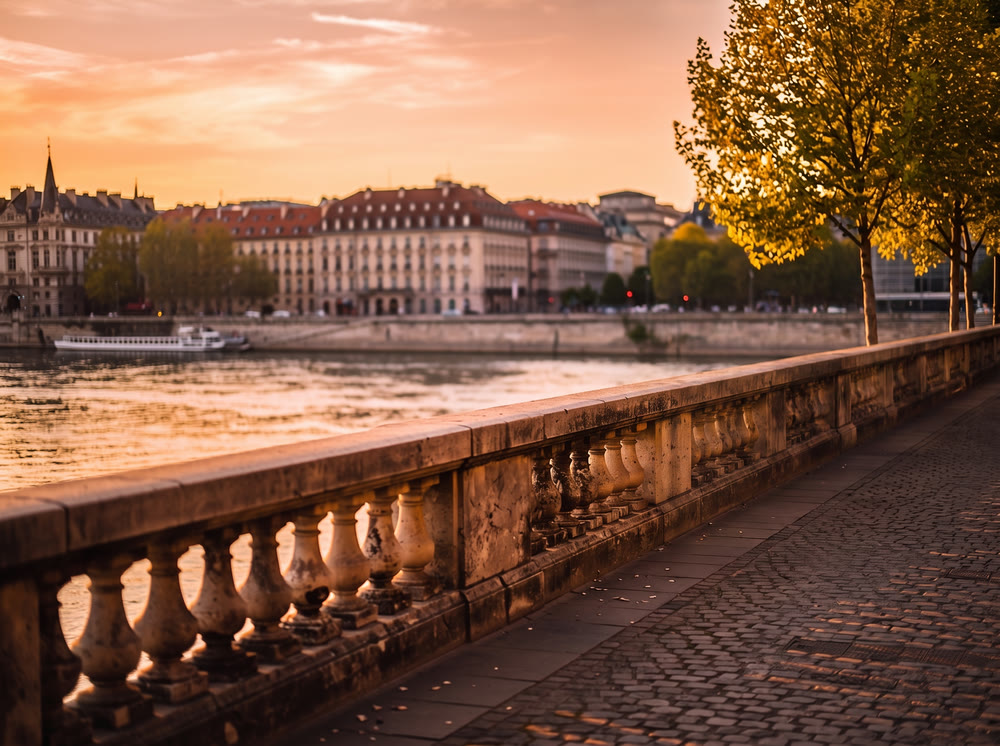
After
Before
After
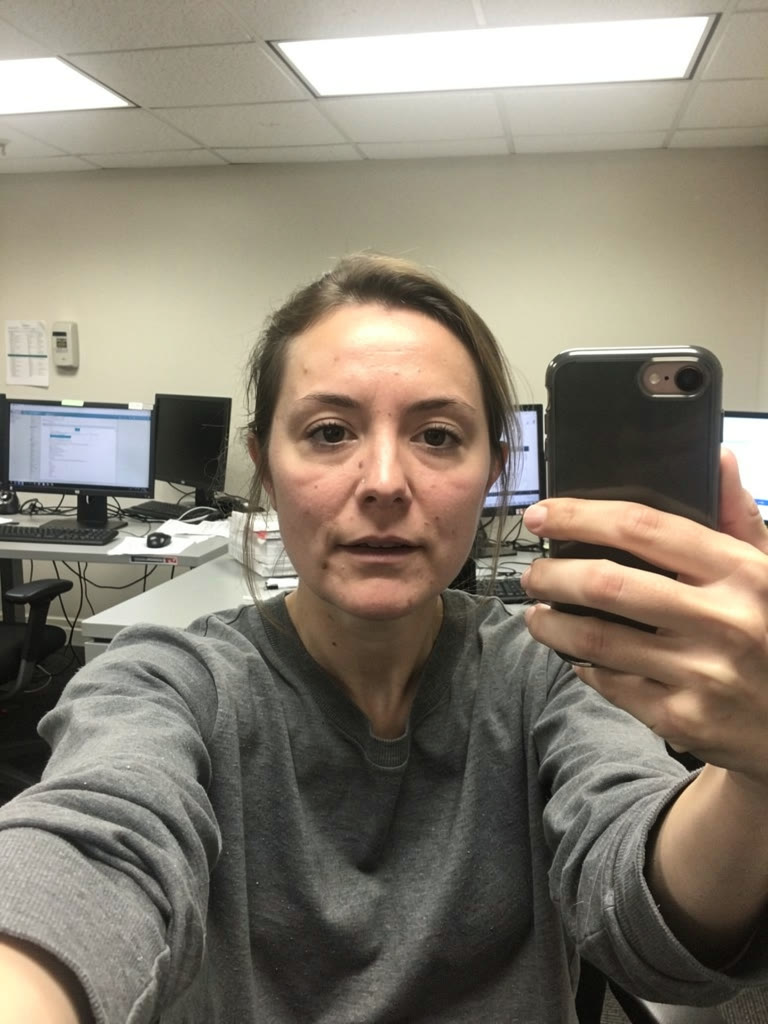
Before
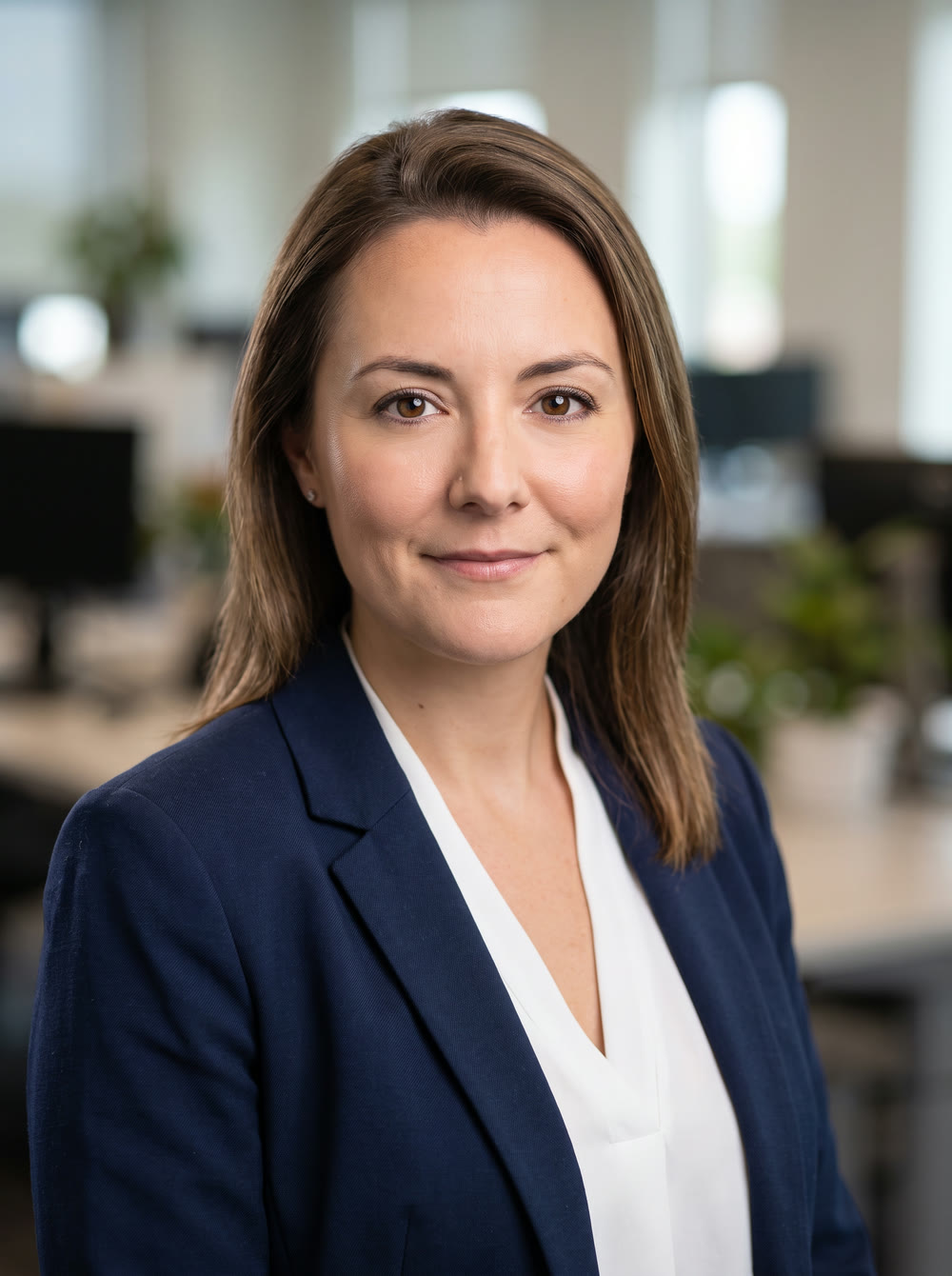
After
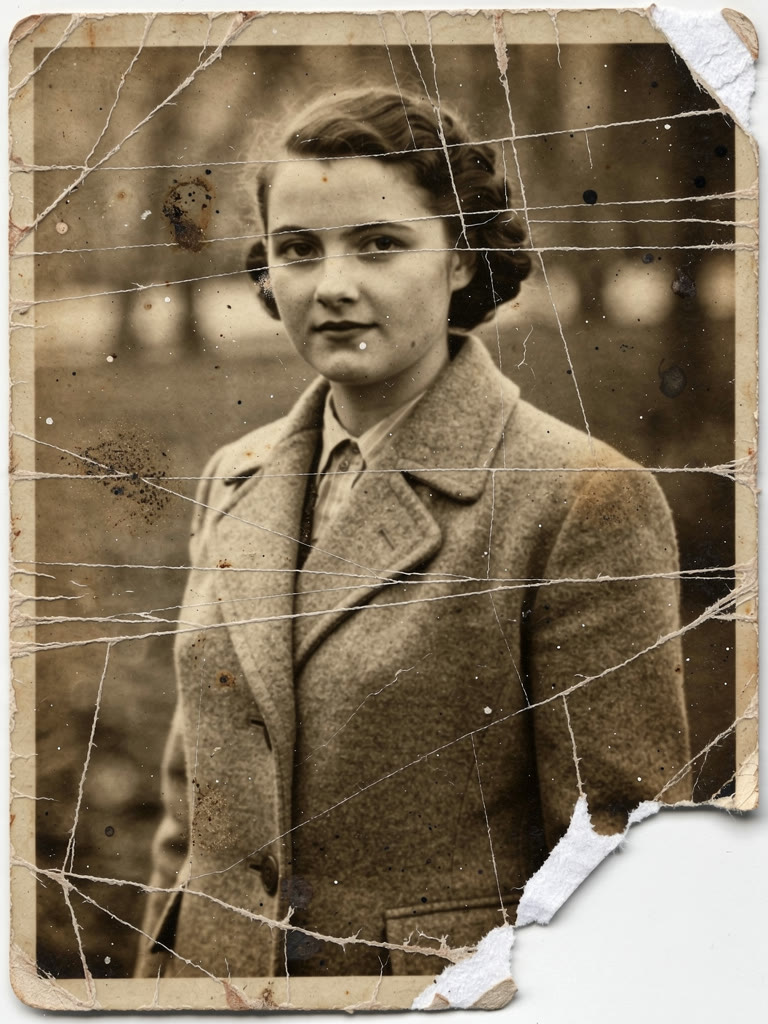
Before
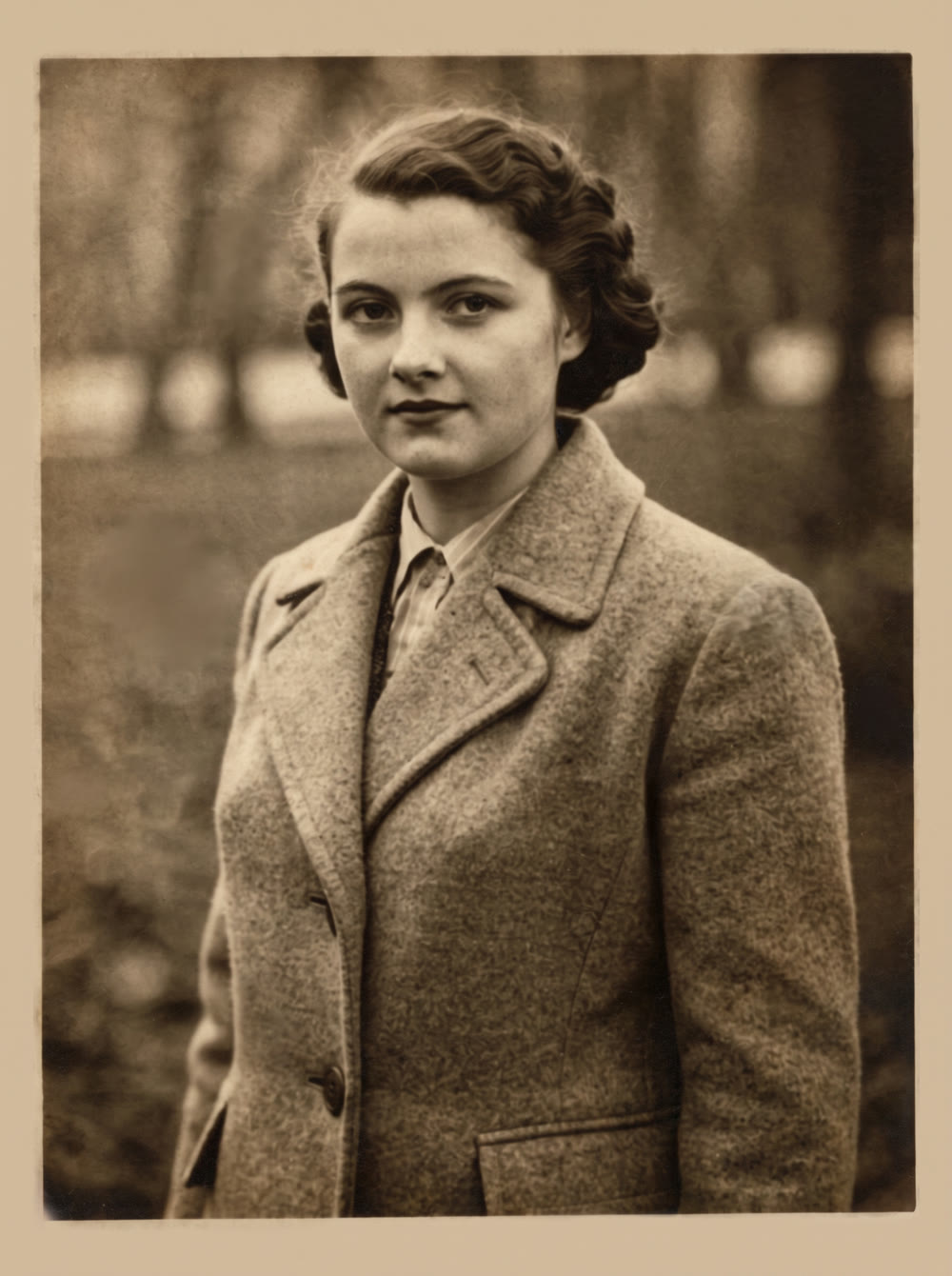
After
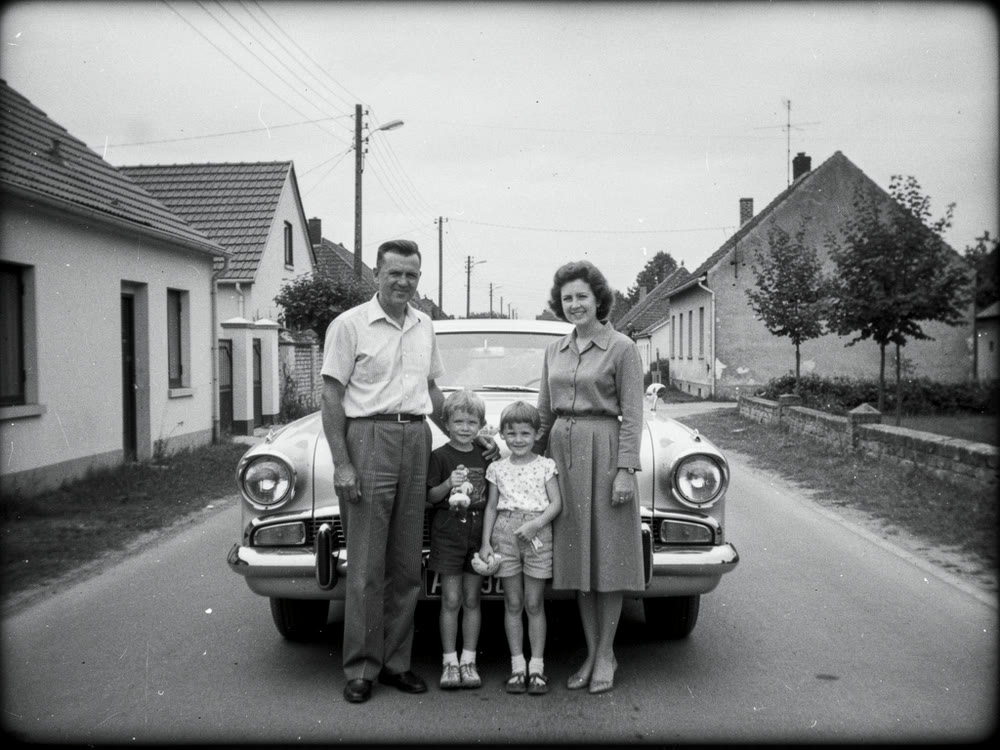
Before
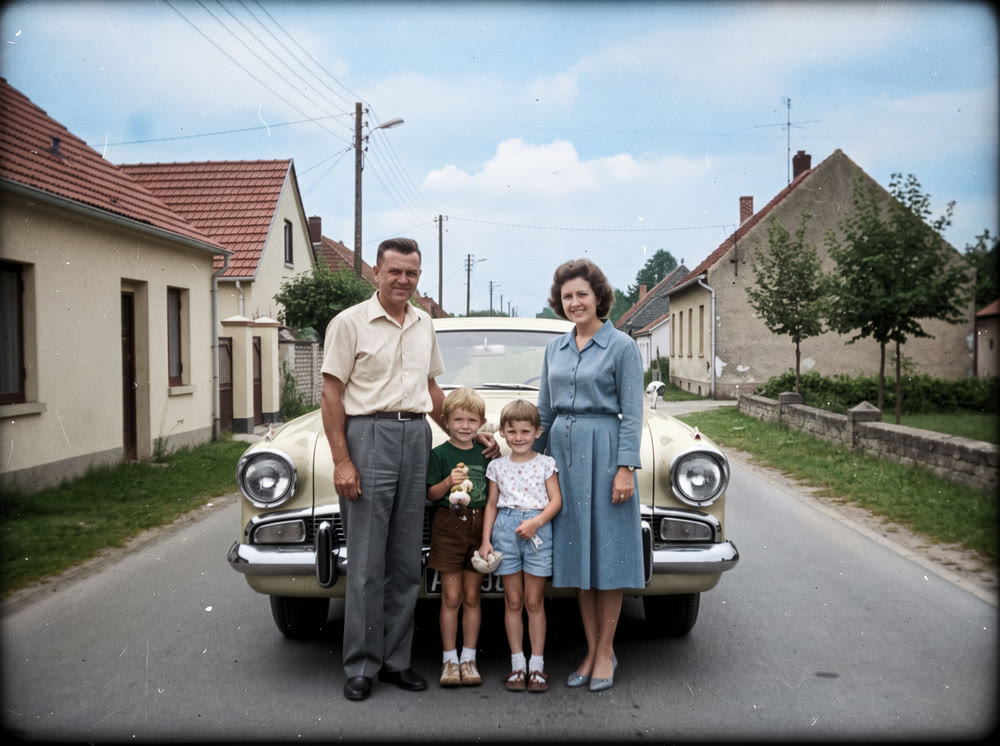
After
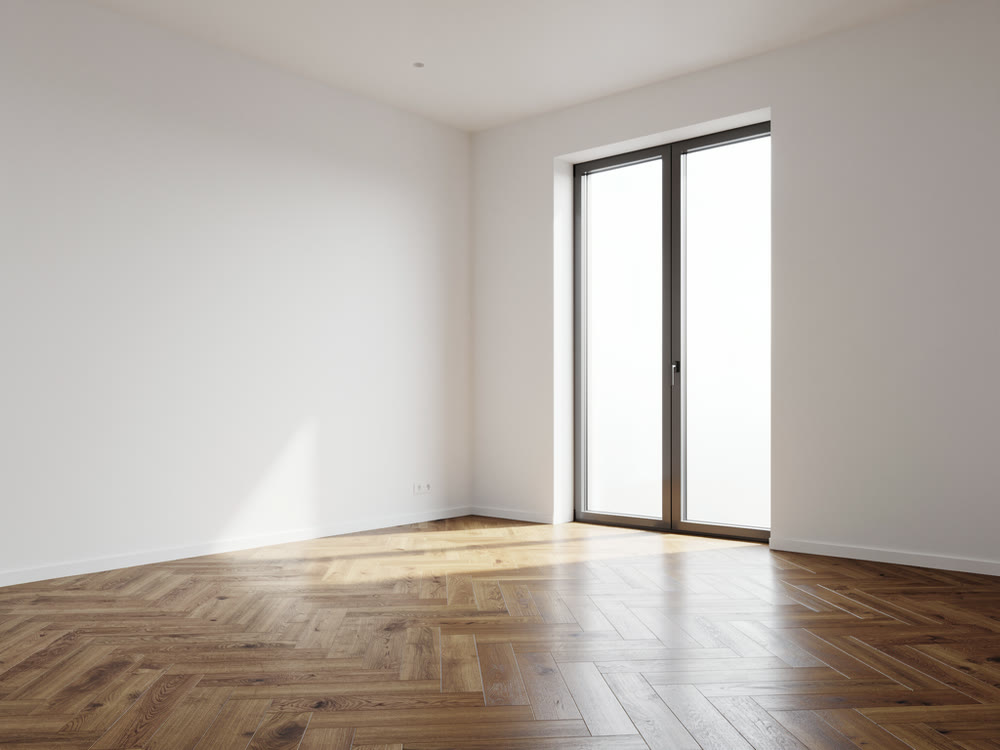
Before
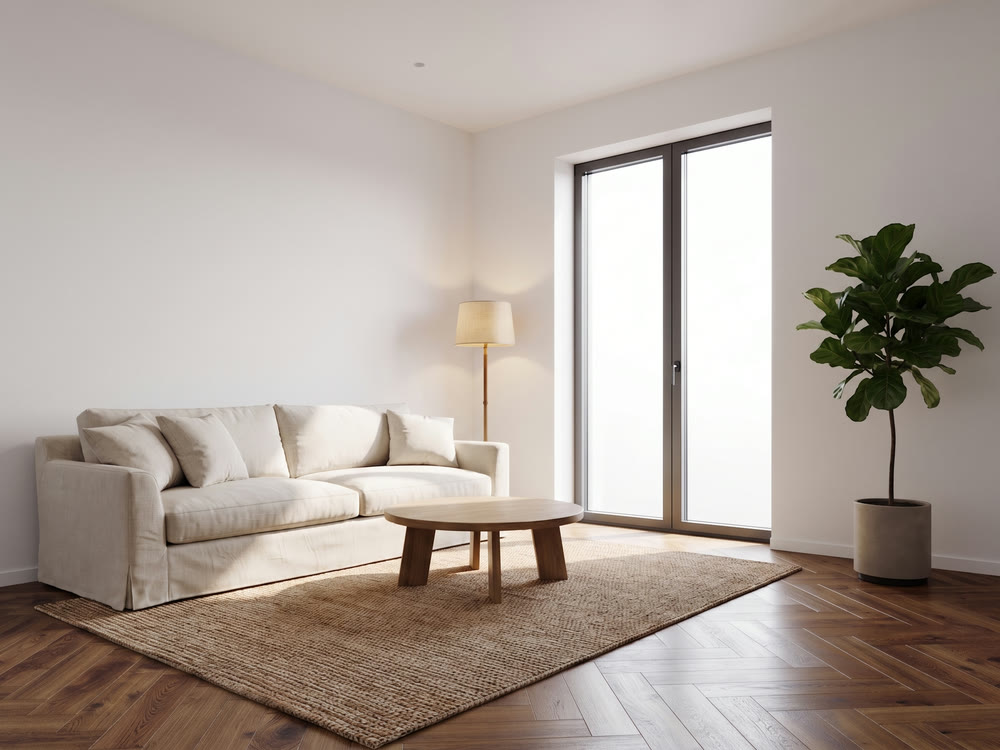
After
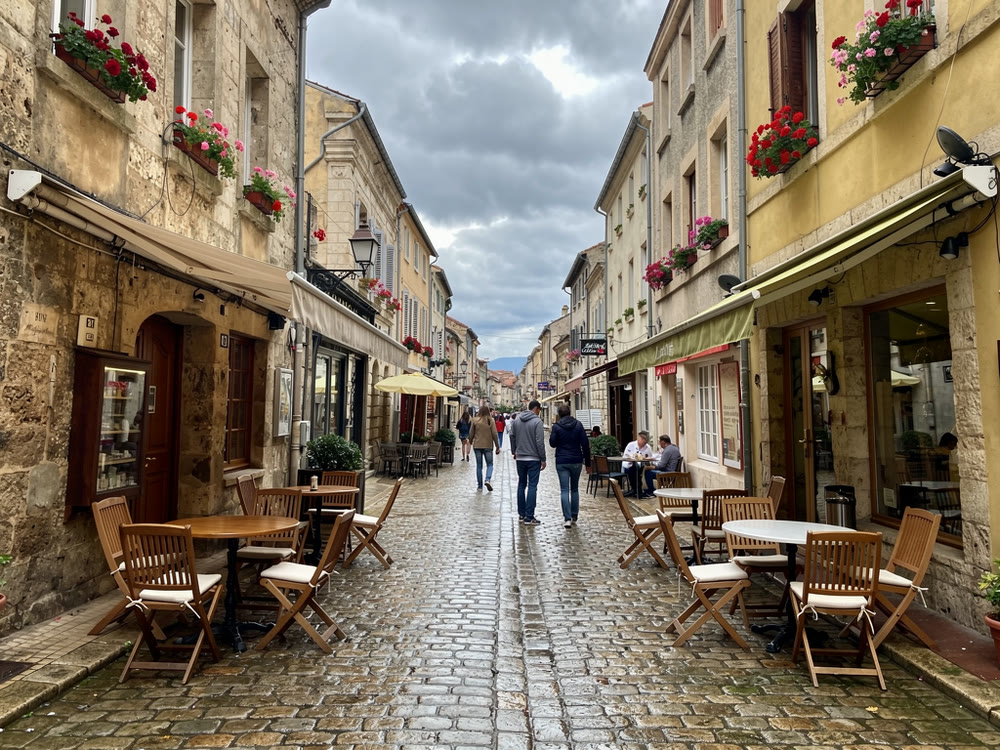
Before
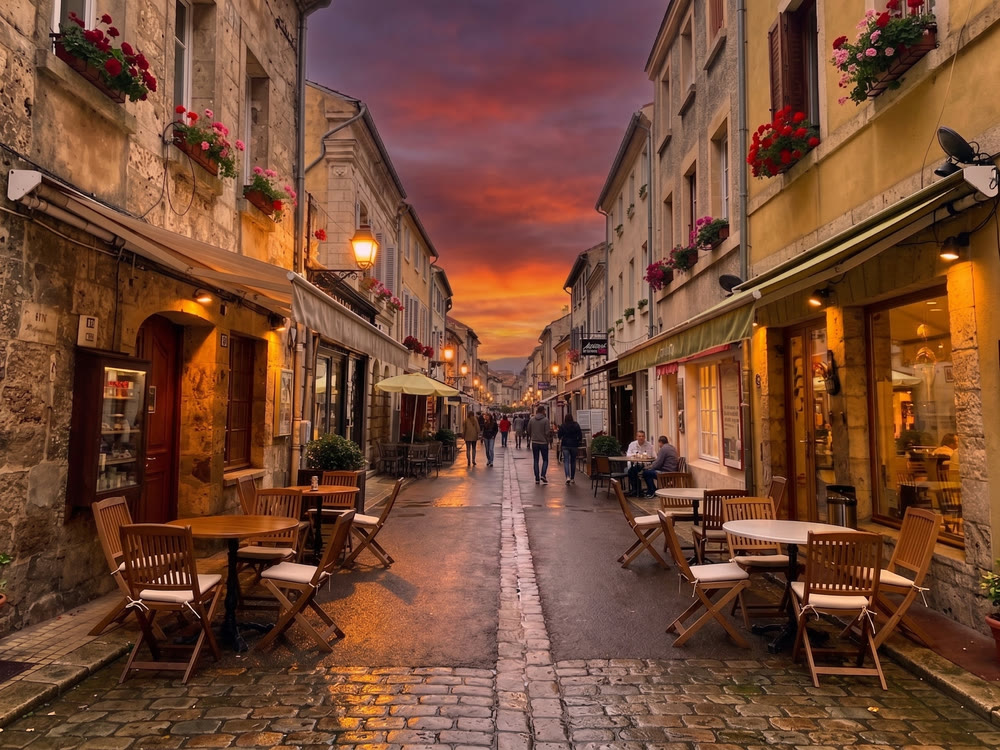
After
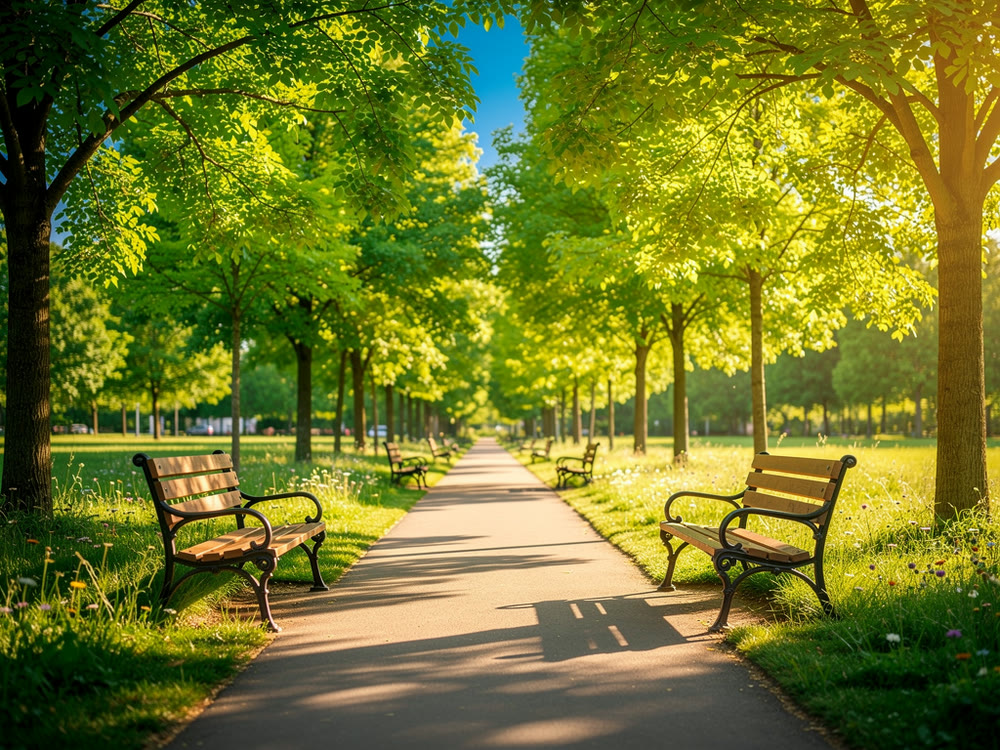
Before
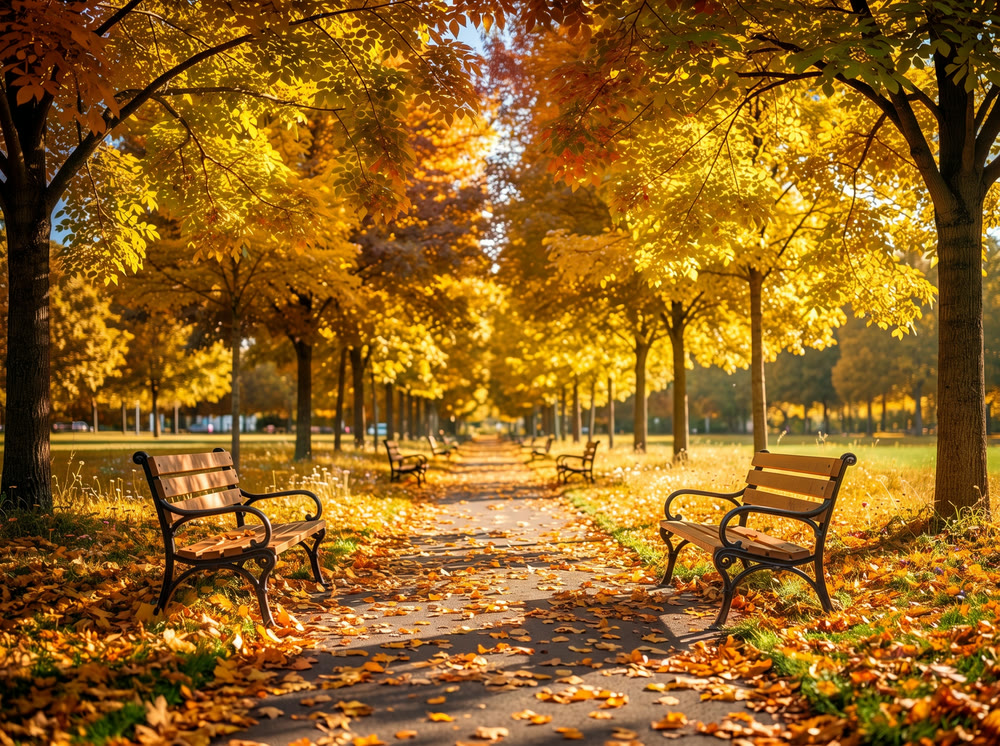
After
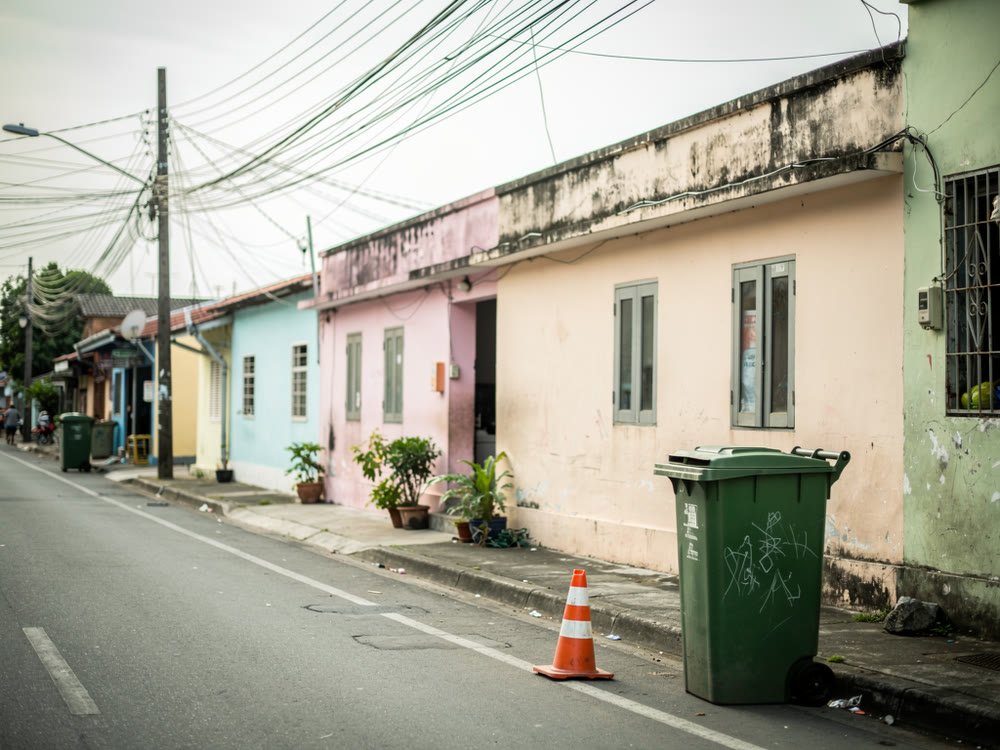
Before
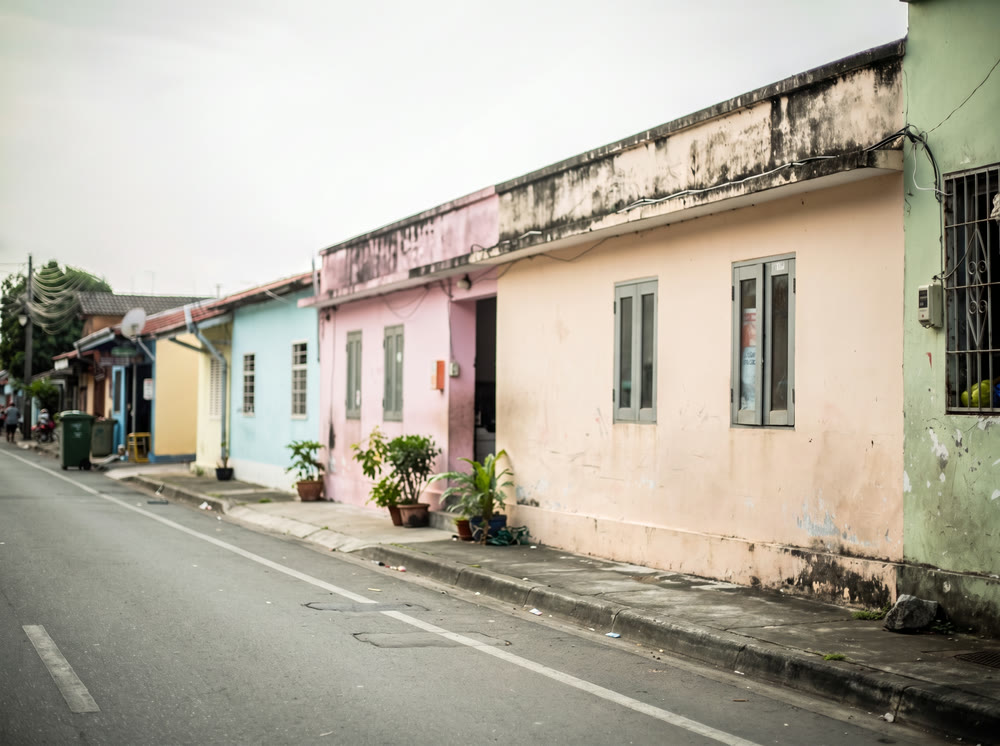
After
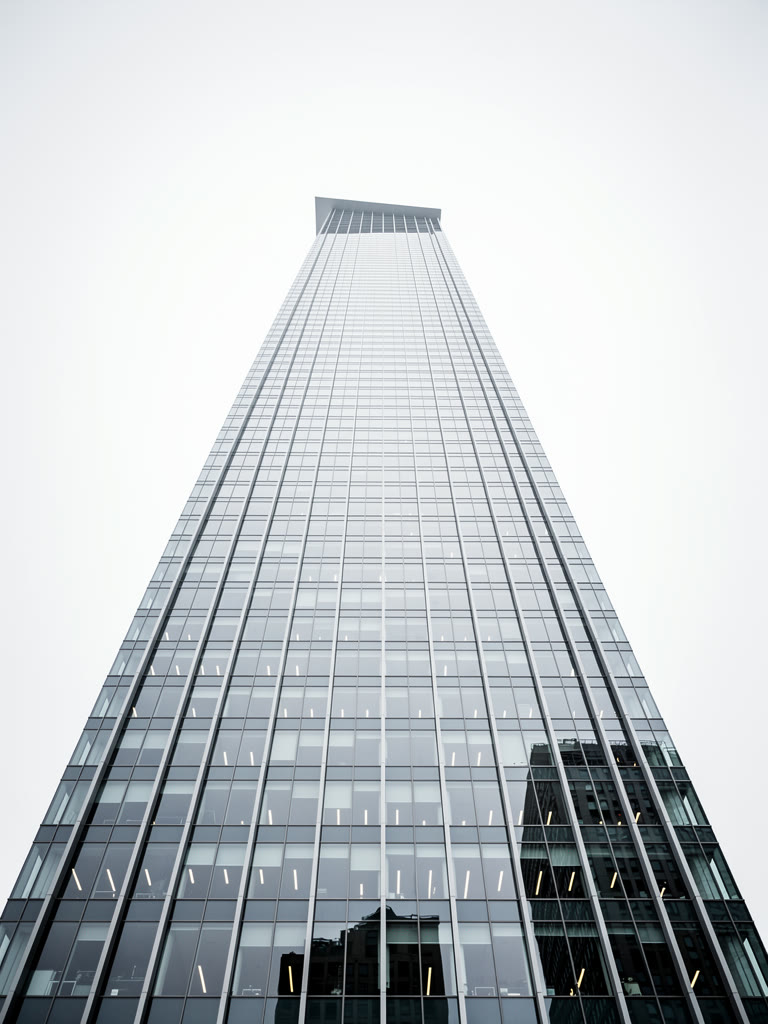
Before
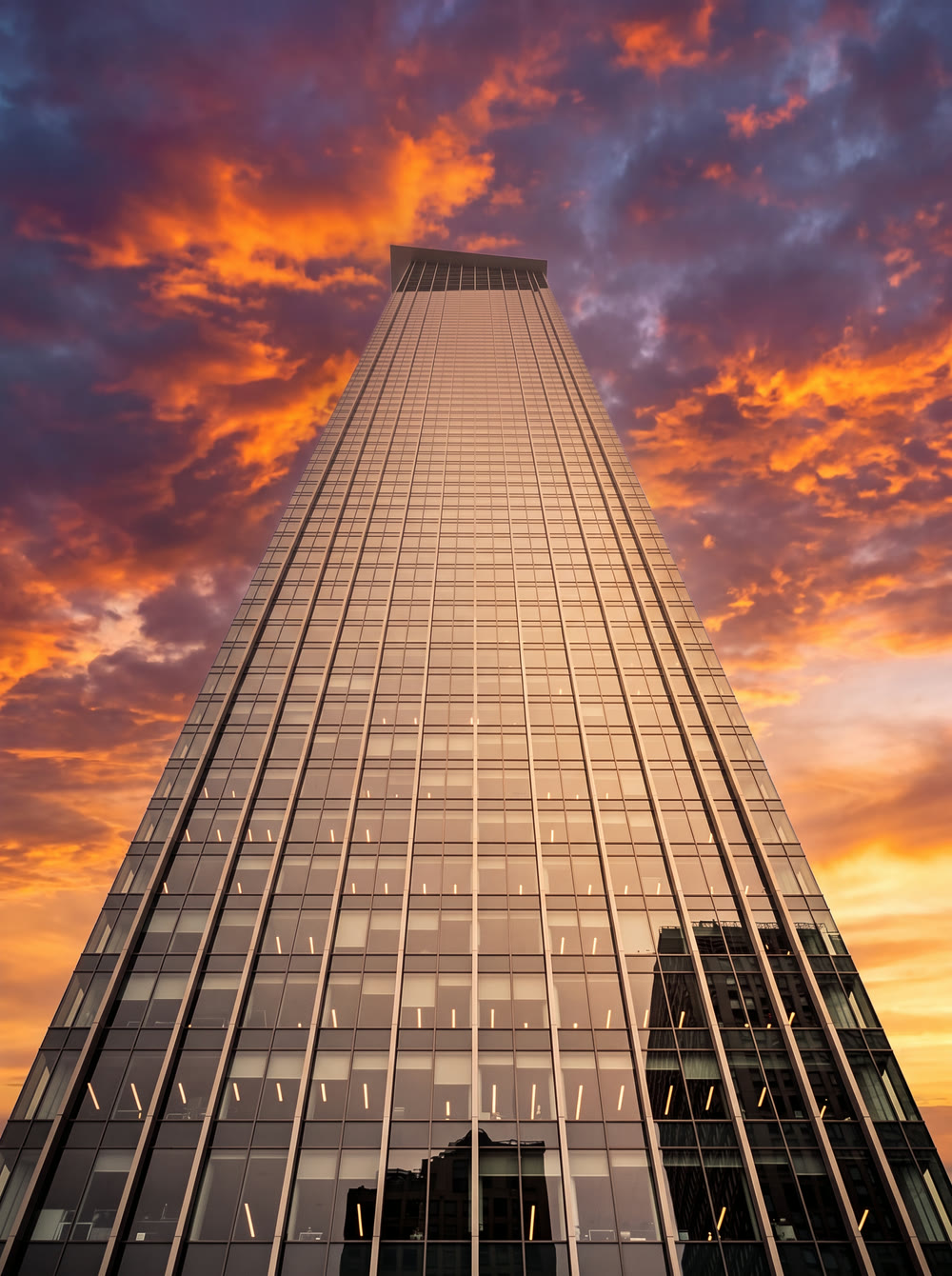
After
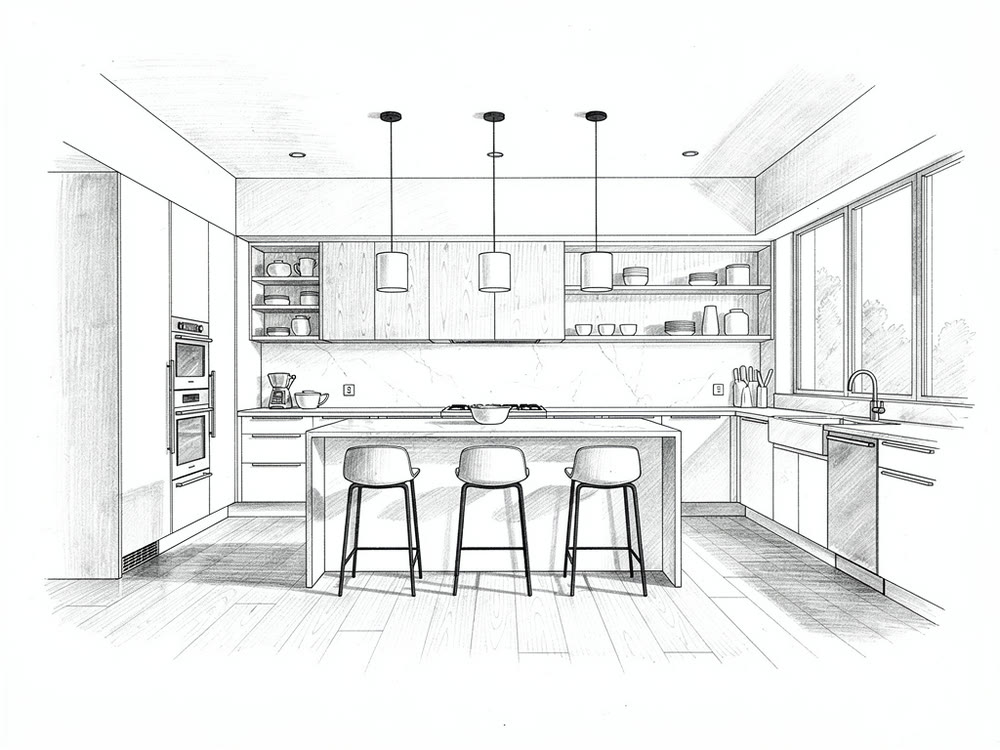
Before
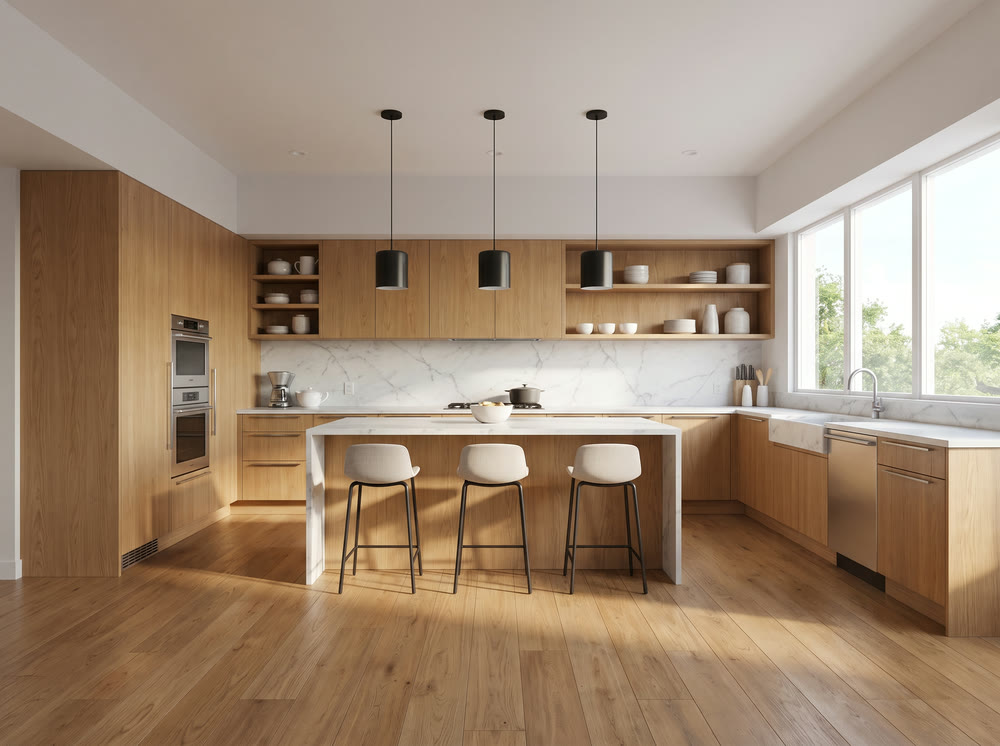
After
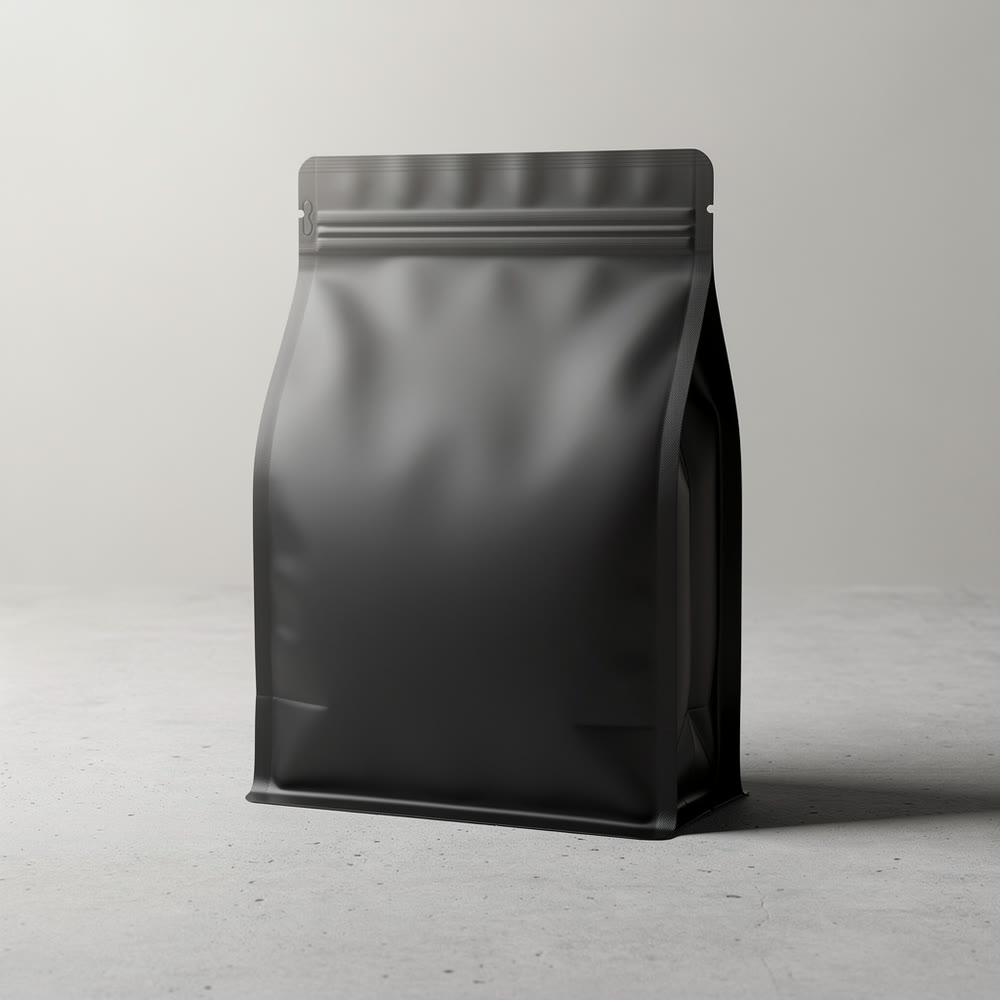
Before
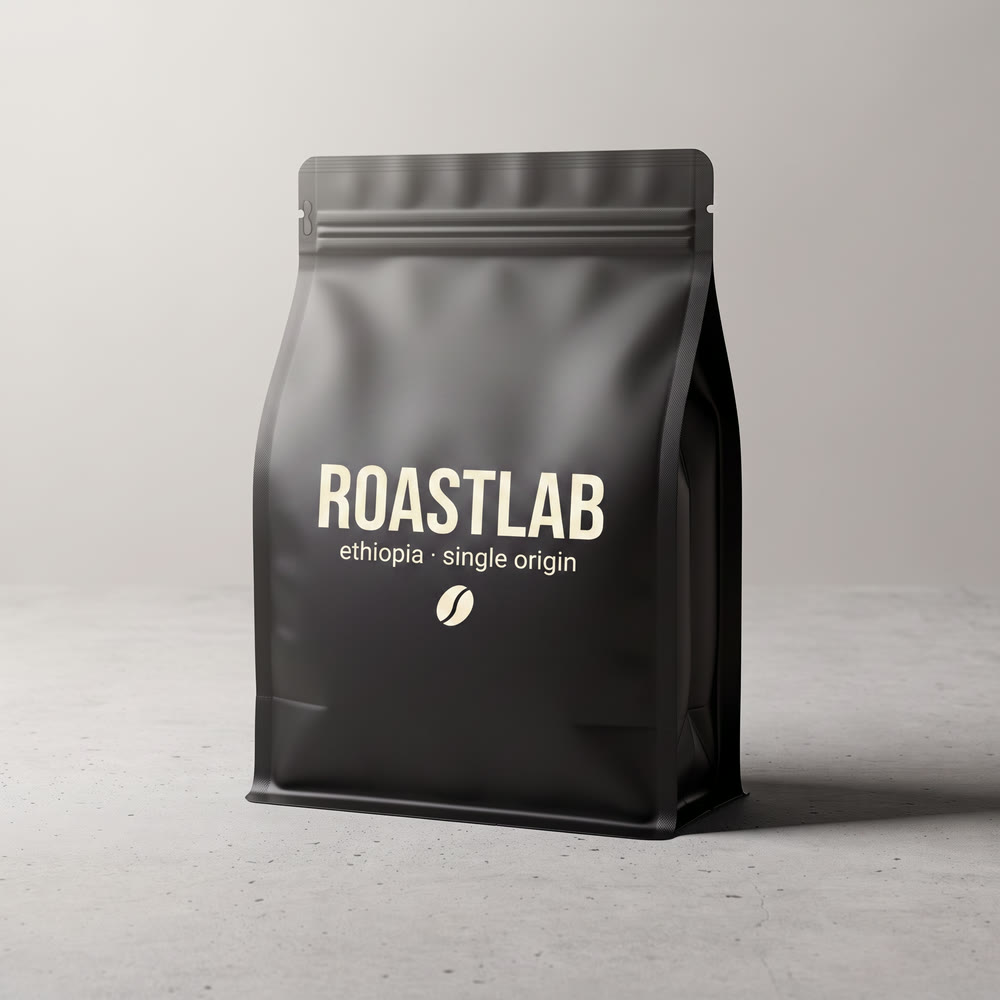
After
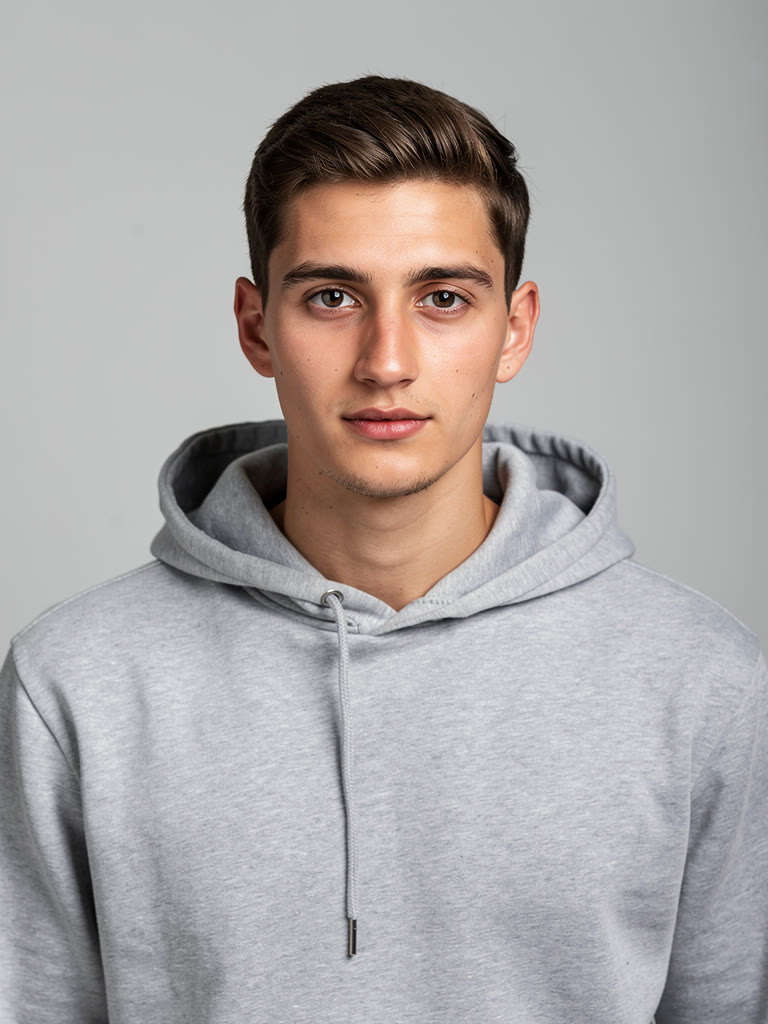
Before
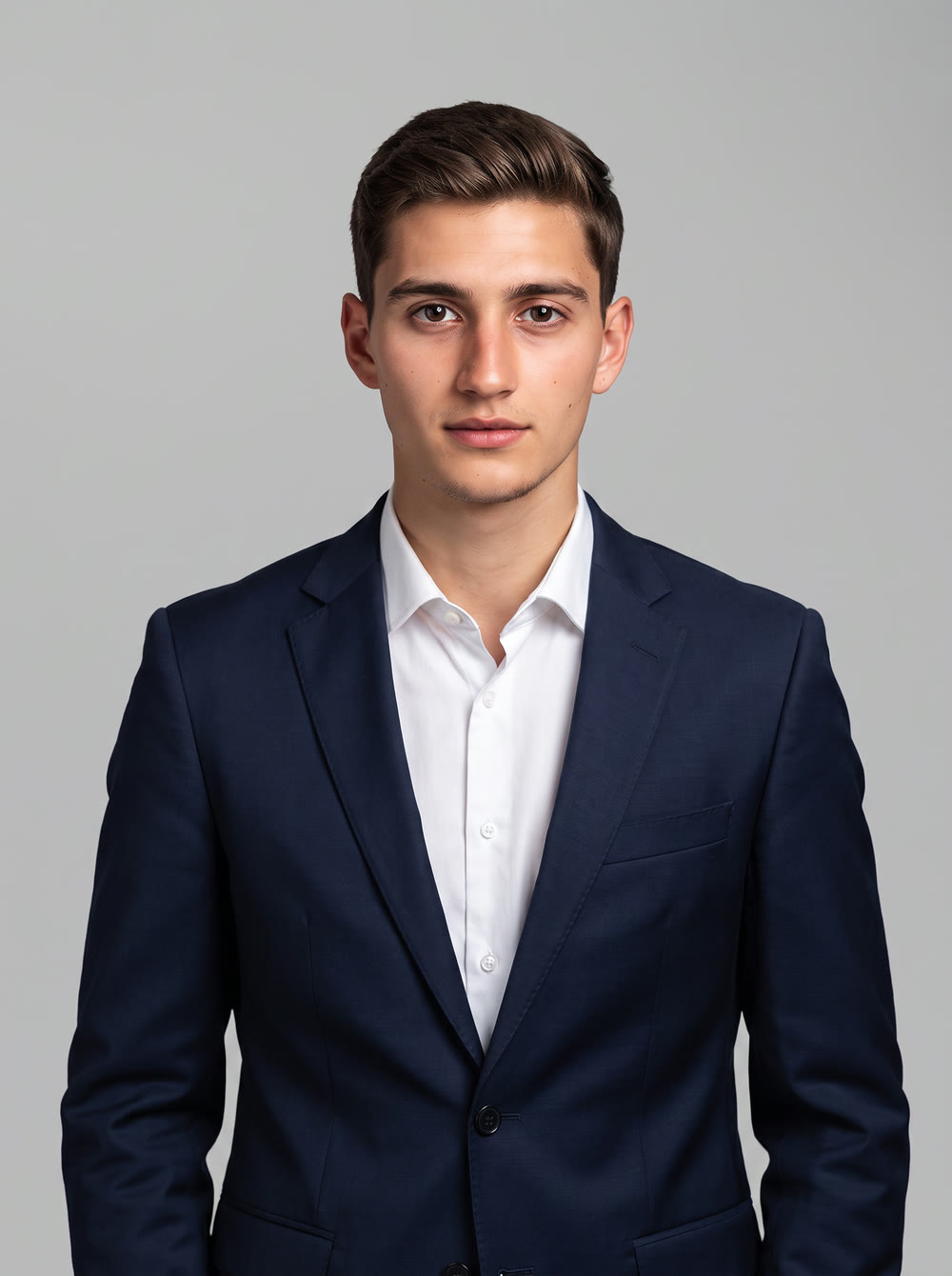
After
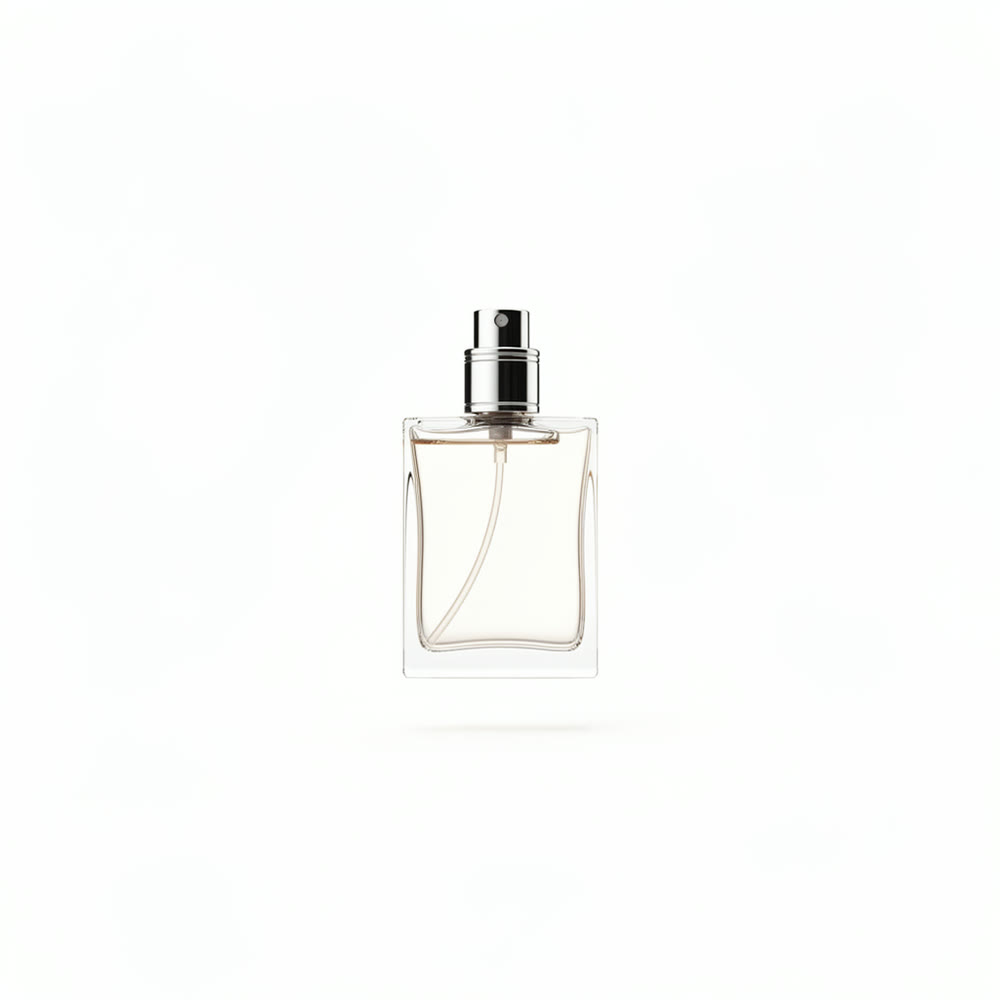
Before
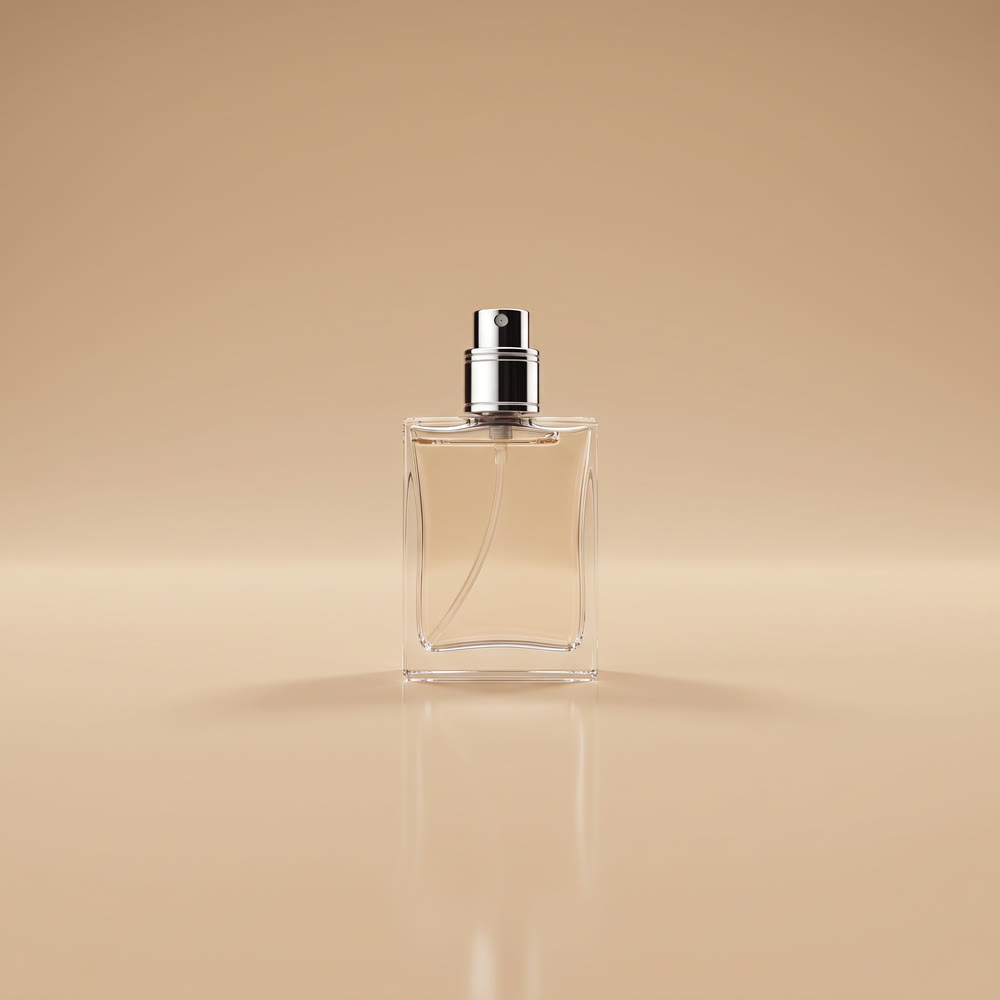
After
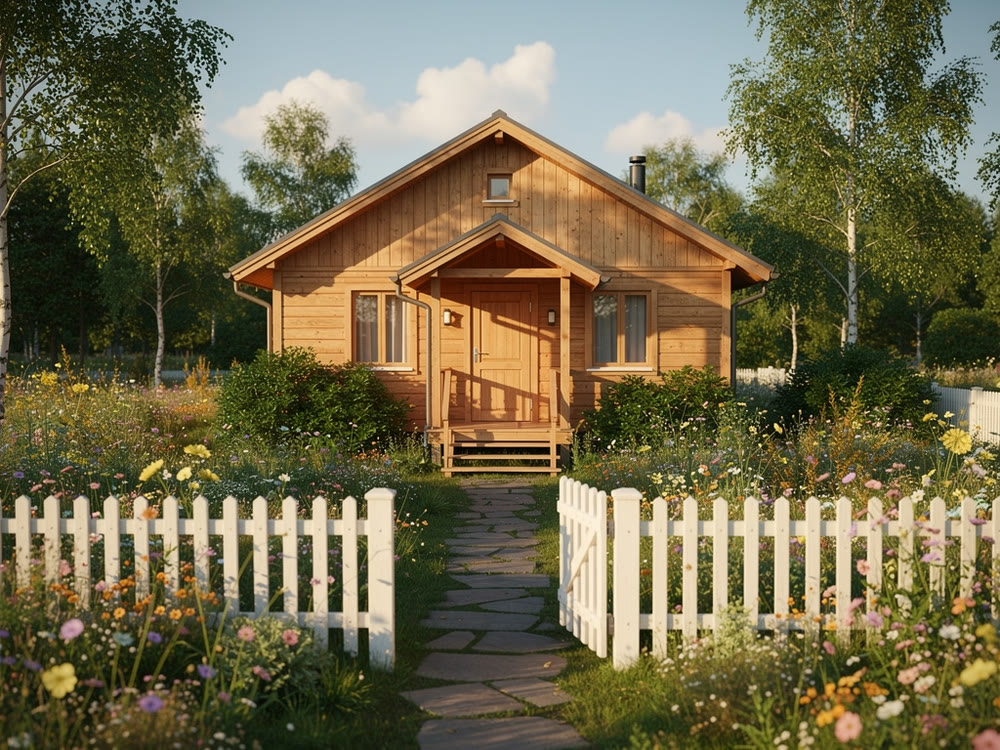
Before
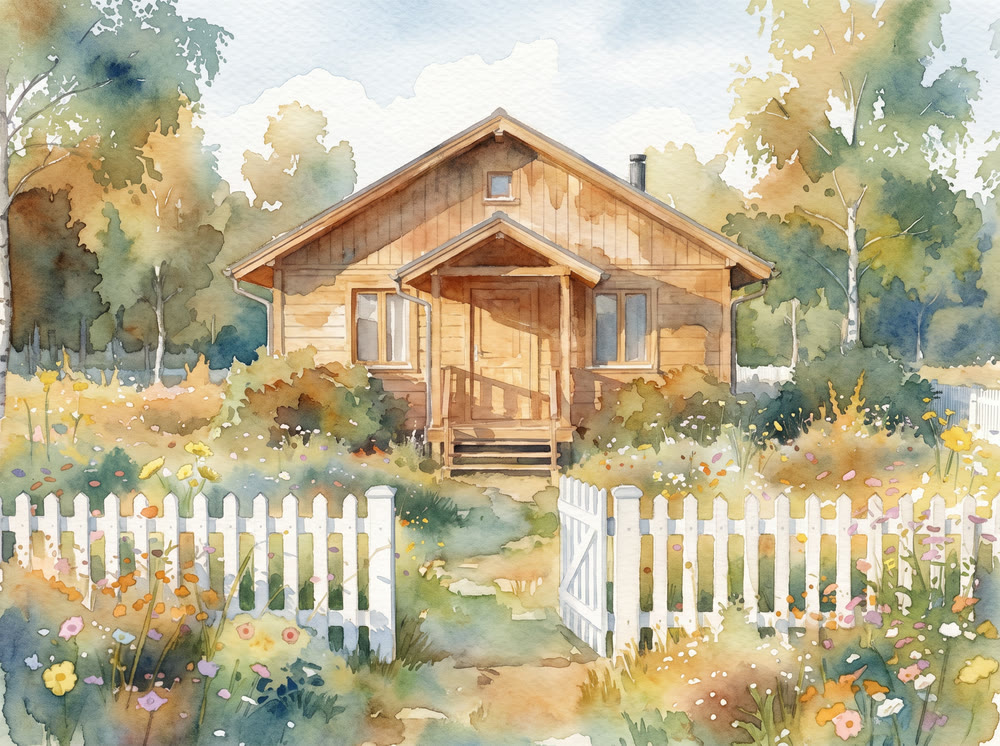
After
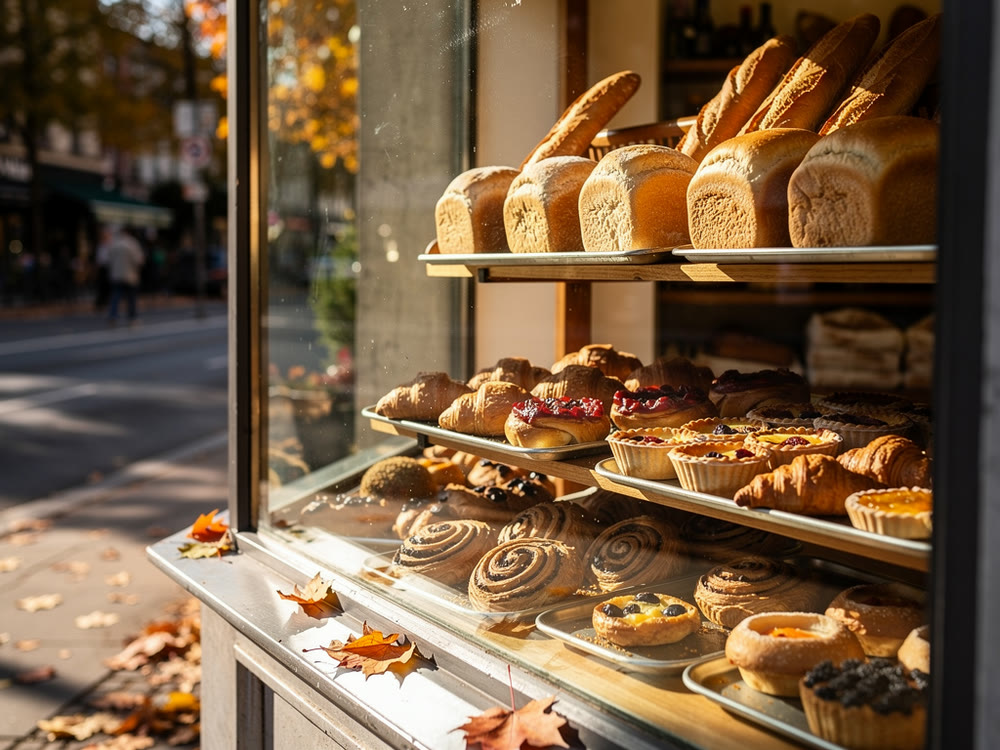
Before
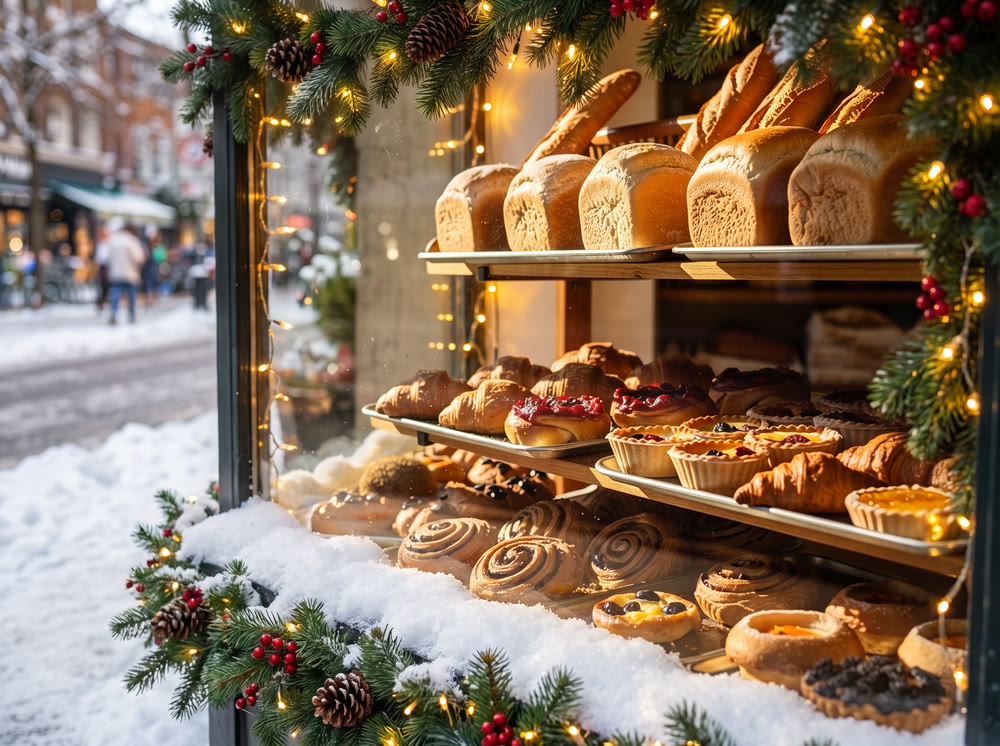
After
What the editor can do
One tool instead of a dozen: the things people used to open a graphics editor and call a retoucher for.
Edits precisely instead of redrawing
The AI changes only what you asked for. The product stays the same product, the face the same face, and the perspective and light adjust to the edit on their own.
Understands plain English
No masks, brushes or selections. “Remove the wires”, “recolor it blue”, “put it on a beige background” — that's enough to get the result.
Color, light and materials
Change the product's color, the time of day, the season or the weather. Shadows and reflections are recalculated with the scene, so the frame doesn't fall apart.
Works with text in the picture
A caption on a package, a sign or a price tag can be added or replaced — the letters come out even and readable.
Edits stack one after another
The result can be edited further with the same kind of phrase: first remove the clutter, then swap the background, then add the text. The history of steps stays in the project.
How to edit a photo from a description
Four steps from the source shot to the finished frame — all in the browser, nothing to install.
- 1
Sign up for SUPA and create a project or open an existing one
- 2
Upload the photo you want to fix and select it on the canvas
- 3
Open the AI section and pick prompt-based image editing
- 4
Describe the edit in a phrase or two and run the generation. Accept the result, regenerate it, or edit it further
How to phrase an edit to get it right the first time
Say what to change — and what to leave alone
The model happily improves everything in sight unless you stop it. The most useful half of the prompt is what must stay the same.
- Bad: “make it pretty”
- Good: “replace the background with a light grey gradient; keep the product itself — color, shape and texture — unchanged”
One edit — one request
Five demands in one phrase almost always produce a compromise where none is carried through. Remove the clutter, then swap the background, then add the caption — three short steps work better than one long one.
Name objects the way they look in the frame
“Remove the rubbish bin and the orange cone on the right” is more reliable than “remove the junk”. When there are several objects, a location helps: on the left, in the foreground, by the wall.
Describe the light, not just the object
A frame looks real when the edit matches the lighting. “A soft shadow under the object”, “warm light from the window”, “an overcast day” — short clarifications you see on the result immediately.
For text, give the exact wording
Write the line in quotes exactly as it should appear and say where to put it: “ROASTLAB large on the bag, below it a small line ‘ethiopia · single origin’”. The shorter the line, the cleaner the result.
If the result is off, change the wording, not the number of attempts
The same phrase gives similar results. Add the detail that was missing: the color, the material, the angle, the boundary of the edit — that's usually enough.
Frequently asked questions about AI photo editing
What photos can I upload?
Any raster images — JPG, PNG, WebP. The larger and sharper the source, the neater the edit: don't expect miracles from a 300 × 300 shot.
Will the rest of the photo change?
The AI redraws the frame as a whole but tries to preserve everything it wasn't asked about. In practice small background details may shift a little, so for important shots compare the result with the source — both versions stay in the project.
Can I edit people?
Yes: change the outfit, fix the light, turn a selfie into a business portrait. Facial features are preserved. We don't support face swapping or creating images that mislead about real people.
How long does one edit take?
Usually from ten seconds to a minute — depending on the image size and the load on the service.
What language should the request be in?
Plain English, in ordinary words — the way you'd explain the edit to a person.
Can I use the result commercially?
Yes. The one thing to watch for is third-party logos and trademarks, whether they were in the source photo or appeared in the result.
What if the edit didn't come out right?
Run it again: every generation is independent. If it's consistently off, sharpen the wording — what to change, what to keep, and how the scene should be lit.